Living lab

Mobilising the local community: MUSE-DHC’s Living Labs

The MUSE DHC journey towards democratically owned district heating and cooling by residents has just started

There are countless reasons why we build communities. For protection, for efficiency, for emergence, for escaping loneliness, or simply because we are drawn to other people. Goethe – the German poet from the 18th century – believed that the world is empty if one thinks only of mountains, rivers, and cities; It is to know someone who thinks and feels with us, and though distant, is close to us in spirit which makes Earth an inhabited garden. It is this same logic of community building that created MUSE-DHC, the European project to democratically decarbonise district heating systems. But why exactly is it better to decarbonise district heating through a community approach?

Firstly, for protection: Producing and consuming local energy locally protects citizens from volatile and expensive fossil fuels, due to the community’s power to control the price of their renewable energy. This is now more needed than ever. Since the onset of the US-Israel war on Iran, the EU’s energy bill has increased by €47 billion. According to the European Commission, this increase is “without a single molecule of energy in addition”, meaning that we are paying much higher bills for the same energy consumption. A community approach to renewable heating and cooling can immediately solve this issue.

Secondly, for efficiency: Communities can better pool resources together. Our national budgets are under heavy pressure, and maintaining the current level of public investment, with the existing taxation, will likely be insufficient to achieve our climate goals. However, by bringing citizens, municipalities, small businesses, and technical partners together, MUSE-DHC will be able to pool our resources and transition our societies using all the currently available funds.

Thirdly, to keep the benefits local: Community-led and financed renewable energy projects generate two to eight times more return for the local economy[1], compared to installations by external commercial developers. A community approach ensures that the product of our labour does not go into the pocket of a faceless investor, but remain instead within the community that built the project.

Lastly, and most importantly, building a district heating and cooling system as a community reinvigorates our democracies and strengthens the link between neighbours.

How are we mobilising the community?

MUSE-DHC is building energy democracy through a bottom-up governance and participation approach. Each of our nine case studies started their journey to develop democratically owned district heating by directly engaging the community.

As a first step, our partners brought together local citizens, municipalities, and small businesses across Ireland, the Netherlands, Italy, Spain, and France. The objective was to inform them about the project, identify their needs, and create a shared vision for renewable energy, and in particular district heating. By giving decision-making power directly to the local community, MUSE-DHC aims to create a truly democratic transition.

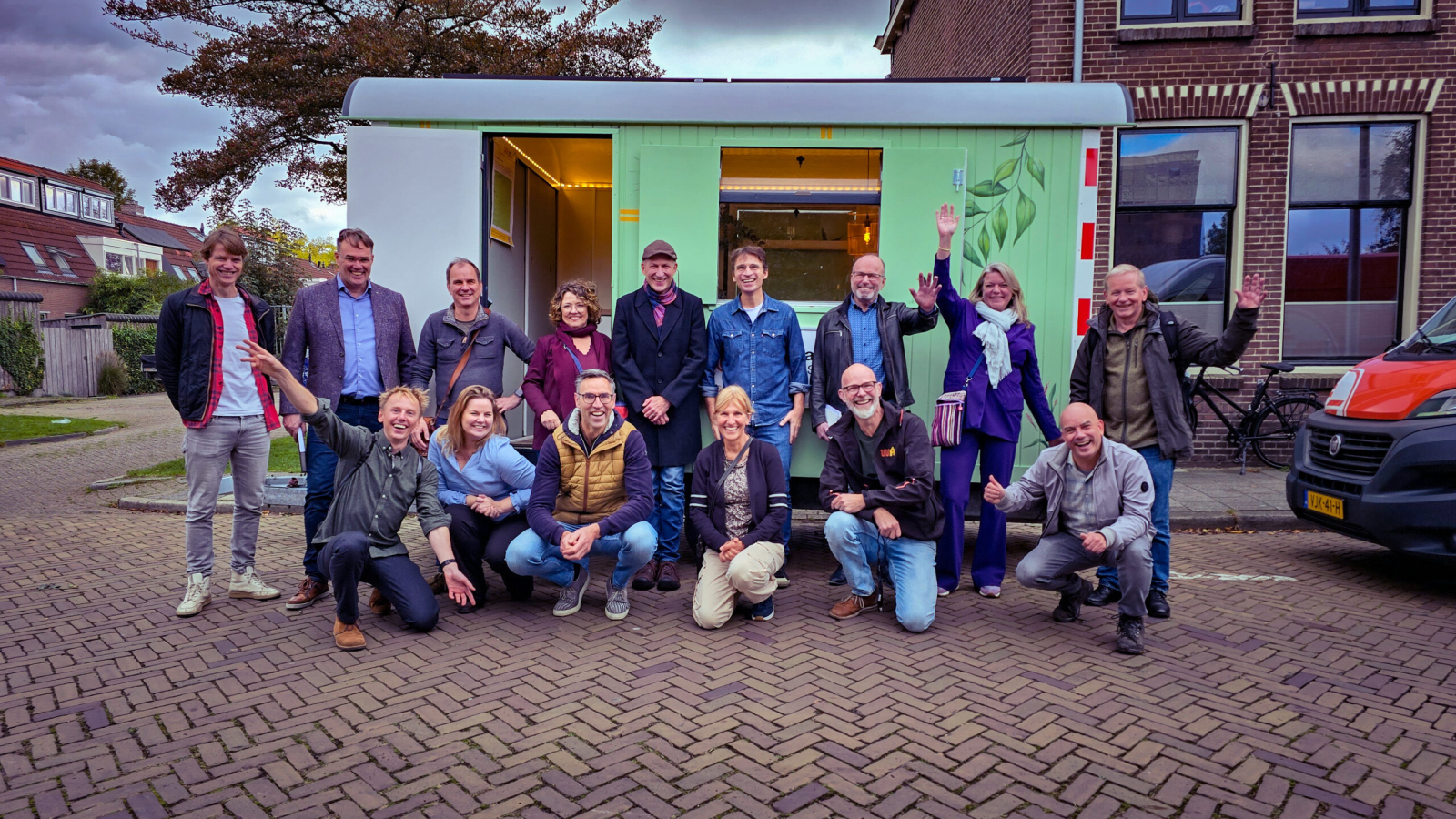
Once the local communities were engaged, the second step was to formalise and professionalise the local project through the creation of a Living Lab. Each “Lab” is composed of local community members and prioritises the technical and non-technical aspects of the project. Specifically, the lab enables citizens to decide upon the type of renewable energy, the timeline of the project, and the decision-making process to ensure equality among the community members. The communities participating in the Living Labs will make decisions over their local district heating, which will be implemented by the MUSE-DHC pilots.

What do we expect?

Contrary to traditional market actors – such as big businesses – by engaging the local community, giving them decision-making powers, and creating a regular forum for discussion, MUSE-DHC is creating a truly democratic renewable energy landscape.

We expect that this process will give back control to communities over their local resources and ensure stable prices, while cementing public trust in renewable energy, and strengthening the cooperation between citizens and their municipalities.

Stay tuned!


[1] https://energie-partagee.org/ressource/etude-retombees-eco-2/ ; https://www.rescoop.eu/uploads/rescoop/downloads/RWS_Wind_CDW.pdf

Europe’s journey towards 100% renewables_Jakub Skafiriak_Usplash

Europe’s journey towards 100% renewables

The new EU’s Electrification Action Plan (EAP) paves the way for the electrification of heating and cooling

Twenty-two years ago, in 2004 – before the onset of the economic crisis, and the COVID-19 pandemic – the European Union’s share of consumed renewable electricity stood at a meagre 15.9%. This was mainly because we still heavily depended on fossil fuel imports; they were cheap, and so we turned a blind eye to its devastating effect on our climate or our independence as a continent. In 2025, due in part to Europe’s awakening moment after two energy crises, the number of consumed renewable electricity reached 49.9%. Renewables provide us with our own source of energy (making us independent from other superpowers), is the cheapest form of energy and they offer us the possibility to leave a clean world for future generations.

However, electricity is only one part of the energy story. Our final consumption of energy – the energy that reaches the final consumer – only stands at 23%. This means that 77% of the energy that we all consume does not come in the form of electricity. This is a missed opportunity, considering the investments that the EU is making in energy storage, grids, and flexibility. Furthermore, other barriers remain to achieve 100% renewable energy, and better exploit electricity: Electricity often costs x3 more than gas (as electricity prices are still tagged to gas prices through what is known as ‘marginal pricing’), grid connections are slow, and companies are not adopting renewable energy fast enough.

To solve these issues, in July 2026, the European Commission has proposed an Electrification Action Plan (EAP). This Plan aims to reduce the price gap between electricity and fossil fuels and incentivise a faster uptake of renewable electricity, two objectives that the MUSE-DHC projects fully supports.

MUSE-DHC: the implementer

The purpose of MUSE-DHC is to facilitate the uptake of renewable district heating, including through electrification. Switching from gas boilers to heat pumps cuts the average EU household’s heating bill by up to 60%, MUSE-DHC is therefore contributing to the Electrification Action Plan’s objective of reducing energy bills, as well as several others.

Firstly, the EAP sets an indicative electrification target of 46% by 2040, and highlights the importance of heating and cooling through an upcoming Heating and Cooling Action Plan. As a renewable thermal energy project, MUSE-DHC warmly welcomes such an Action Plan, and hopes that it will be socially fair.

Secondly, the EAP references district heating and cooling as it sets out to supply 15% of total heating and cooling supply with district heating by 2030. MUSE-DHC is already carrying out the technical analysis required for the delivery of district heating across several pilot areas. We are therefore proud to be a key stakeholder that not only brings renewable district heating to people’s homes, but we do so by giving citizens the ownership over the infrastructure through energy communities.

Thirdly, following the old adage of ‘waste not, want not’, the EAP sets out to supply 11% of heating demand from recovered waste heat by 2050. This is a confirmation that MUSE-DHC is on the right track, as several of our pilots are exploring the use of waste heat.

Finally, MUSE-DHC’s raison d’être: to facilitate an energy transition with citizen wellbeing and empowerment at its centre. To this end, the EAP gives us hope through the inclusion of “social leasing” of heat pumps for low and middle-income households. We do however regret that citizen ownership, empowerment, and energy communities did not become a main pillar of the Action Plan to deliver a socially-fair transition, one that is not based on profit maximisation, but on European values.

What remains?

We look forward to the upcoming Heating and Cooling Action Plan, and hope that it will correct the mistakes of the EAP by putting citizens and local authorities at the heart of the thermal energy transition.

In the meantime, MUSE-DHC will continue its work to implement the district heating objectives of the Electrification Action Plan and deliver a clean, and socially fair Europe to future generations.

Inspiring community-led energy production

Inspiring community-led energy production

MUSE DHC and the NWE AquaCOM project joined forces to explore the potential of community-led energy production at the European Energy Communities Forum 2026

Decarbonising Europe’s heating and cooling sector is one of the most significant hurdles in the green transition. While technical solutions exist, the real challenge often lies in how these projects are governed, financed, and embraced by local citizens. Addressing these social and governance challenges is the core mission of the LIFE MUSE DHC project, which focuses on empowering citizens to take ownership of their heating and cooling energy.

On May 6, in the seaside town of Jūrmala, Latvia, the session Developing community-led heating and cooling tackled these questions head-on. Organised as part of the European Energy Communities Forum, the workshop brought together experts from MUSE DHC’s partners REScoop.eu and Energie Samen to showcase how collective action can turn aquathermal energy into a community asset.

Navigating the EU policy landscape

While electricity-focused energy communities have gained significant traction, heating and cooling often lag behind in policy recognition.

Tom Vasseur, coordinator of the Cool Heating Coalition highlighted that since heating and cooling account for over 50% of Europe’s final energy consumption, they must be central to local energy planning. The discussion underscored a critical gap: many national frameworks still lack specific guidelines for thermal energy sharing, creating hurdles for communities ready to invest in collective heat pumps or district networks. Navigating these regulatory barriers and integrating community initiatives into formal municipal planning is a primary focus of the MUSE DHC’s ongoing work across Europe.

Inspiring community-led energy production
Soester Energie

From theory to practice: aquathermal case studies

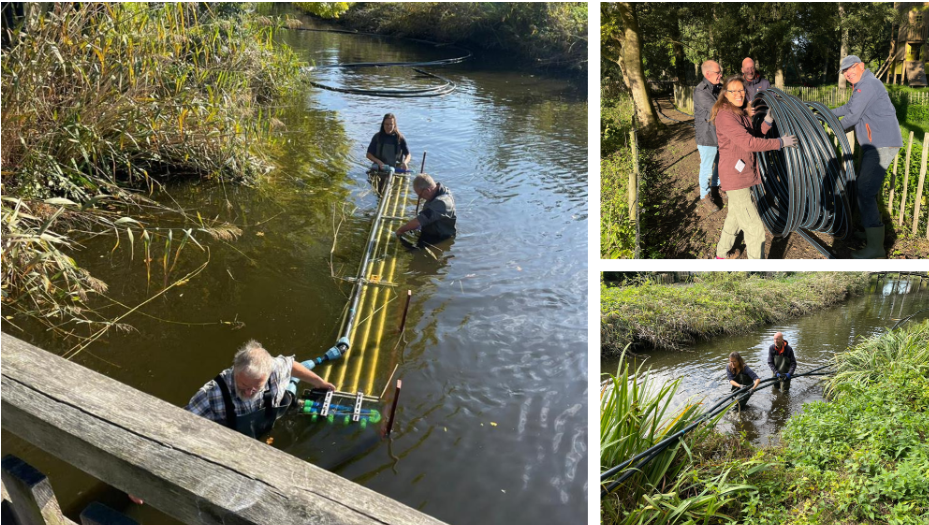
What does community-led heating look like on the ground? The workshop featured three pioneering “aquathermal” projects from the Netherlands and Belgium, presented by Ilonka Marselis, Energie Samen and Dirk Vansintjan, REScoop.eu.

These examples demonstrate that with the right technical support and community engagement, even unconventional heat sources can be harnessed and heritage sites can be repurposed to provide modern, carbon-neutral warmth.

The path forward: integration and scale

As the event concluded, one message was clear: the heat transition is a social challenge as much as a technical one.

To reach the scale required for EU climate targets, community-led initiatives must be integrated into formal municipal planning. As MUSE DHC continues its work across Europe, the focus remains on empowering citizens to take ownership of their heating and cooling energy, ensuring a transition that is not only green but also fair and resilient.

ENC Forum

Communities warming up the heat transition

MUSE DHC contributed to the event “The Leaf: Communities driving the shift to fossil-free heating and cooling

Heating and cooling account for more than half of Europe’s energy consumption. Yet despite its central role in the clean energy transition, the sector often remains trapped in technical discussions about boilers, efficiency rates and infrastructure upgrades.

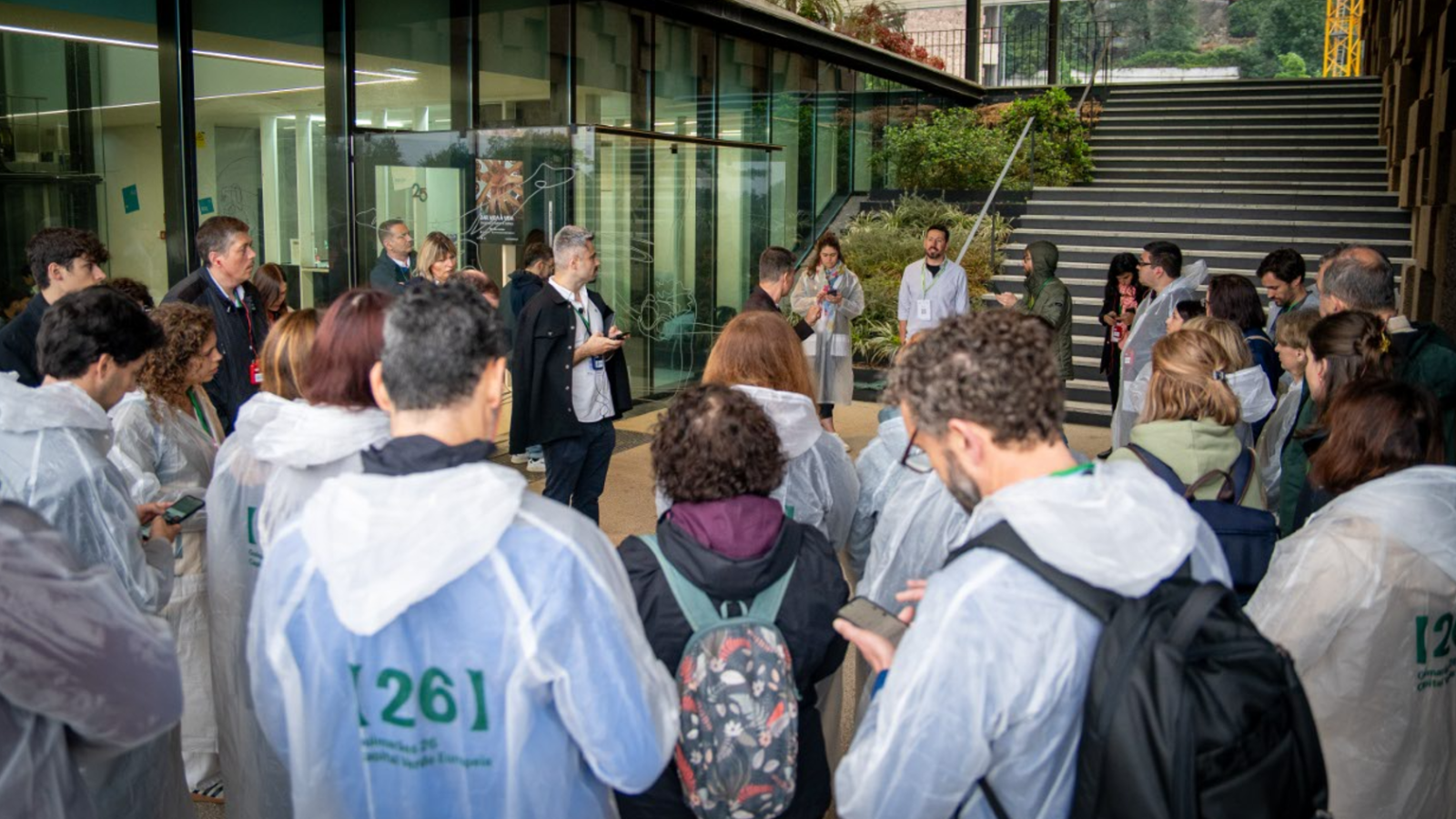
On 29 April, at the Energy Cities Annual Forum in Guimarães, The Leaf: Communities driving the shift to fossil-free heating and cooling challenged this perspective. What if the future of heating and cooling depended as much on governance, participation and local ownership as on technology itself?

Bringing together municipalities, researchers and practitioners from across Europe, the discussion highlighted an emerging reality: the heat transition will not succeed without citizens and communities actively shaping it, as MUSE DHC proves.

Heating and cooling is also a social challenge

The day started with a concrete example: a visit to Gymnastic Training Center of Guimarães – GUIMAGYM, the city’s public sports facility. The building combines energy efficiency, renewable energy production and nature-based solutions into one integrated system. A 2,000 m² cork façade provides thermal and acoustic insulation, while 1,300 m² of solar panels and a geothermal network cover heating and cooling needs. Rainwater is also reused for sanitary purposes and HVAC cooling systems.

The inspiring visit was followed by the policy discussion during which Energy Cities presented the broader European context and its EU Tracker on local heating and cooling planning, according to which many Member States still lack clear frameworks, methodologies and support structures for municipalities. Cooling planning, in particular, remains largely neglected.

Heating and cooling is still treated as a technical efficiency issue — not as a governance, social and territorial challenge” – participants overwhelmingly agreed. During the fishbowl discussions, recurring barriers emerged, such as fragmented responsibilities, lack of public awareness, insufficient coordination between stakeholders, financing difficulties and weak policy support for citizen-led initiatives. At the same time, many saw community-led approaches as one of the most promising pathways for accelerating the transition while increasing resilience and social acceptance.

MUSE DHC presentation

Beyond solar panels: energy communities are also about heat

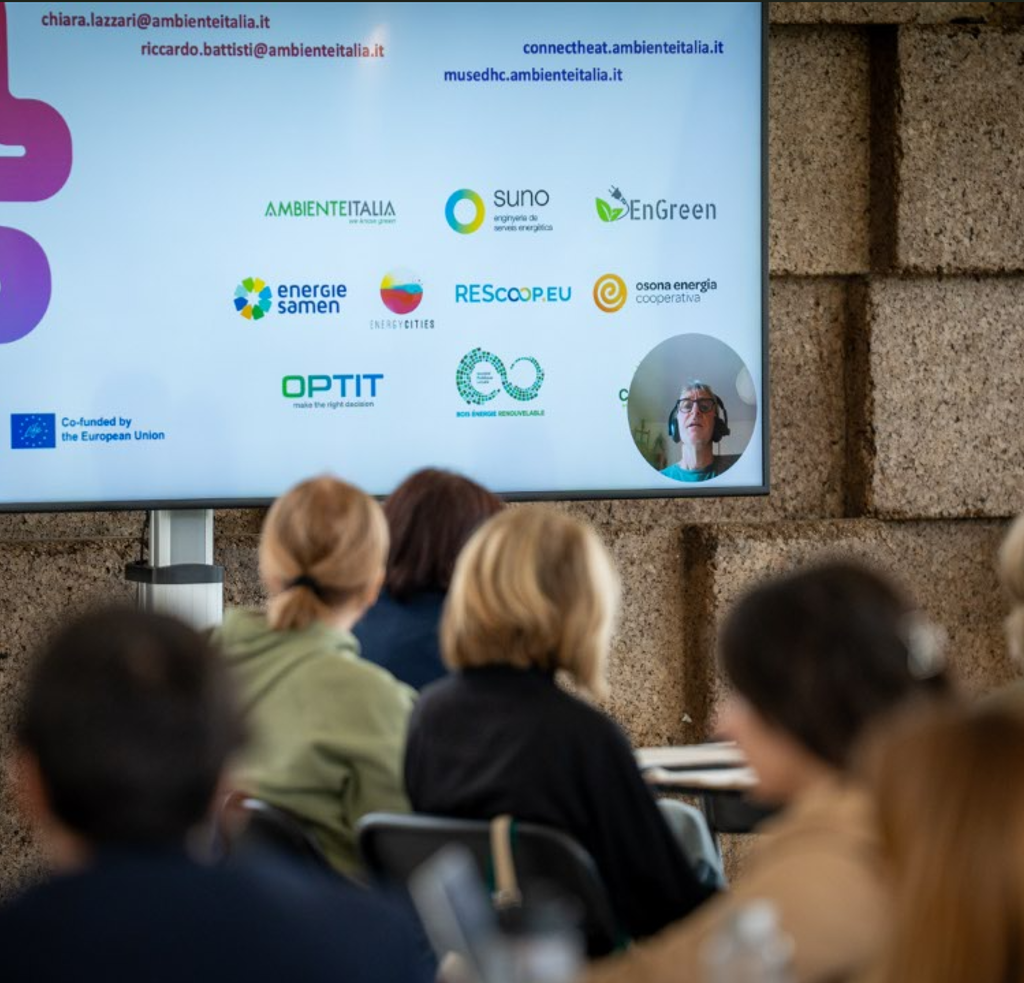
What’s your first thought when you hear “energy communities”? Most people think about electricity and rooftop solar panels. Heating and cooling, despite representing the largest share of energy demand, remain largely absent from policy discussions and public narratives. Lessons from the EU-funded projects MUSE DHC and Connect Heat inspired participants. Riccardo Battisti from Ambiente Italia, coordinator of MUSE DHC, explained that there is a gap in Europe’s energy debate and that is reflected in legislation itself. Existing European frameworks on energy communities rarely address heating and cooling explicitly, creating uncertainty for local actors trying to develop collective heat projects.

Yet examples already exist across Europe. The Connect Heat project identified several key policy priorities to unlock the sector: clearer legal recognition of heating and cooling communities, support for heat sharing models, incentives for “heat prosumers”, risk reduction mechanisms for district heating investments and stronger financial participation tools such as crowdfunding and collective ownership schemes.

Riccardo also stressed the importance of connecting community initiatives with formal planning processes. Local heating and cooling plans — now required under Article 25 of the Energy Efficiency Directive for many municipalities — could become powerful tools for integrating citizen-led projects into long-term territorial strategies. The new MUSE DHC project will work with several local authorities to test solutions.

The challenge, however, remains practical: “Energy communities are also about heat.”

Dijon shows how district heating can decarbonise at scale

Decarbonising is feasible! Nathanaël Leblanc, from Dijon Métropole, proved, through the example of the RESPONSE project, that large-scale transformation is possible. The results are significant: 75% lower CO₂ emissions and an 80% reduction in fossil gas consumption in the pilot neighbourhoods. The project combines waste heat recovery, biomethane, heat storage and smart energy management systems.

What made the Dijon example particularly relevant to the workshop discussions was its systemic dimension. The district heating network evolved through long-term territorial planning, linking public infrastructure, housing providers, waste management facilities and energy systems into one coordinated approach.

For many participants, it illustrated that scaling up clean heating solutions requires both infrastructure and governance capacity.

Cities are central actors of the heat transition

What role do municipalities play? Through the ESCALATE project, Antonia Kranz (IREES) showed how cities are increasingly expected to coordinate local heating and cooling planning under the revised Energy Efficiency Directive.

Yet many local authorities still lack the staff, tools and financial capacity needed to implement these new responsibilities. At the same time, energy communities can help fill part of this gap by mobilising local investment, increasing participation and supporting implementation on the ground.

“Community-led heating and cooling will never deliver at scale unless municipalities integrate it into formal planning, public policies and regulated energy systems” – If Europe wants to accelerate the heat transition, citizen-led approaches must become part of mainstream local energy planning.

The future of the transition lies in citizen-led approaches

The discussions in Guimarães made one thing clear: decarbonising heating and cooling is not simply a technological challenge. It is also a democratic one.

Whether through geothermal public buildings, district heating systems or citizen-led heat networks, the transition requires cooperation between municipalities, utilities, citizens and local organisations – community-led heating and cooling initiatives are the future of the clean transition.

EUSEW's article

Warm homes, lower bills, stronger EU: the power of citizen-led energy networks

How can  we all enjoy comfortable homes while paying fair bills? 

The EU has many solutions to reach climate neutrality and become energy independent, but none will succeed without active citizen participation to ensure a just and effective transition.  

Efficient district heating and cooling (DHC) networks powered by clean sources replace individual heating systems, reducing maintenance and lowering bills.  

As change starts in cities, citizen engagement is essential. EU-funded projects such as MUSE DHC are a great example of how community energy initiatives can foster social acceptance, co-ownership, and long-term commitment, making cities, thus Europe, more sustainable, resilient and energy independent.

Click on the button to explore the full article, published by the European Sustainable Energy Week (EUSEW), which highlights the strategic importance of DHC networks through the MUSE DHC case studies of  Sant Cugat Sesgarrigues and  Zwolle.


The European Sustainable Energy Week (EUSEW) is the biggest annual event dedicated to renewables and efficient energy use in Europe. EUSEW 2026 marks the 20th edition. EUSEW organises a series of activities that bring together the community of people who care about building a secure and clean energy future for the next generations.

The EU’s Citizen Energy Package: ambitions built on quicksand?Polina Kuzovkova_Unspash

The EU’s Citizen Energy Package: ambitions built on quicksand?

The Commission’s new recommendations to fight energy poverty and enhance consumers’ rights are welcomed, but Member States might not implement them without binding targets and new funds

On 10 March 2026, in response to the second spike in fossil fuel prices in less than 5 years, the European Commission published its Citizen Energy Package (CEP). The Package is a non-legislative initiative giving recommendations to Member States’ governments on how to decrease energy bills, enhance consumers’ rights, fight energy poverty, and encourage capitals to properly implement existing legislation.

The CEP highlights community-owned renewable energy as a key tool to achieve affordability, local energy control, and energy independence. It does so through 9 actions, ranging from reduced taxes on renewable energy compared to fossil fuels, to guidelines on how to establish energy communities.

In a context of geopolitical instability and painful fossil fuel dependencies, the logic of the Citizen Energy Package is a solid one: empower citizens, decrease dependencies, and fight energy poverty. The question, however, remains whether the CEP has enough bite to deliver on its promises.

From reducing taxes to encouraging innovative financial tools to lower bills

The CEP includes both positive elements and suggestions for improvement.
Let’s start with the main positive elements. The Commission encourages Member States to:

  1. Remove non-energy levies from bills as some countries include public broadcasting taxes in energy bills and lower VAT to the maximum amount possible. The Commission expects these reductions to save households up to EUR 200/year.
  2. Lower network costs, encourage flexibility in the grid, and pledge to work with national regulatory authorities to define network tariffs in such a way that they incentivise matching energy production with consumption.
  3. Encourage the use of innovative financing tools such as social leasing, where citizens can procure renewable technologies at zero upfront cost, paying them off instead through instalments.

It also recommends that companies increase transparency in their energy bills to make them understandable, offer customers the best tariff for their consumption profile, and provide them with early warnings when consumption goes beyond the expected level.

Additionally, knowing that 1 in every 10 Europeans can no longer adequately warm their homes, the CEP empowers national, regional, and local authorities to tackle energy poverty through the Social Climate Fund, the Cohesion Funds, the Energy Poverty Advisory Hub, as well as the LIFE programme that MUSE-DHC benefits from. Moreover, the Commission will also publish guidance for Member States on how to design appropriate disconnection safeguards, so that citizens no longer face the threat of energy disruption.

Finally, to strengthen its action, the Commission will soon deliver an Energy Communities Action Plan to increase citizen-led energy by a factor of 10, in order to reach 90 GW by 2030. To do so — and considering the patchy implementation of energy community legislation across national governments — the Commission will issue guidance to Member States on how to set up well-designed enabling frameworks for community energy. This is certainly a welcome development for initiatives like MUSE-DHC, which bring renewable district heating and cooling into citizens’ hands.

The EU’s Citizen Energy Package: ambitions built on quicksand?Polina Kuzovkova_Unspash

The quicksand: no binding targets, no extra funds, no real commitment

A closer look at the file shows that it does not include any enforcement mechanisms to reach its objectives, and no reference is made to the need for national governments to implement the current energy community framework. Considering Member States’ inability to abide by EU law to deliver energy democratisation, a voluntary framework seems to be based on goodwill. A key lesson learned from the past is that national governments are unlikely to move a finger unless there are legally binding targets to meet and appropriate enforcement from the Commission.

Secondly, the CEP ignores the growing issue of corporate capture, where private entities disguise themselves as energy communities, leading to the embezzlement of public funds that were meant for community initiatives.

Thirdly, the Citizen Energy Package’s objectives are not accompanied by additional sources of funding. This is particularly short-sighted, as complex community projects such as community-led district heating require funding streams, particularly for the first development stages of the project. While there are some good practices in the EU for community-led heating and cooling funds, such as in Ireland and the Netherlands, this is by no means the norm across the EU-27.

MUSE-DHC will continue its work to democratise thermal energy across the EU. However, the replication of its results might be negatively affected without an appropriate Citizen Energy Package.

Overall, the CEP would have the potential to decrease bills, empower citizens, and protect the most vulnerable, were it not built on a foundation of quicksand.

MUSE_6

Independence Day: how DHC can support the EU’s autonomy

Let’s explore the EU regulations on thermal energy and the key role played by citizens in their implementation

When fossil fuels are burned, they release large amounts of carbon dioxide (a greenhouse
gas), trapping heat in our atmosphere. We have observed the devastating consequences of climate change in the degradation of our environment, the large-scale loss of our biodiversity, as well as increasing health and financial costs on our society.

Aware of this grim reality, the European Union has set out to modernise our energy
system towards renewable sources in a community-oriented way
While 49.3% of the net electricity generated in the EU in 2025 came from renewables, 75% of the thermal energy in our buildings is still supplied by fossil fuels.
 As fossil fuels are not commonplace
in Europe, they must be imported, increasing both our energy bills and our dependency on third countries. The financial numbers behind our dependency alone are staggering, with the total cost of fuel imports between 2021 and 2024 costing our citizens and businesses 1.8€ trillion (or slightly below Spain’s nominal GDP in 2025). Furthermore, an energy transition based simply on market-based solutions risks exacerbating inequalities, as low-income households can remain locked in inefficient homes running on polluting and
expensive fossil fuels.

Such dependencies, and their climate, social, economic and geopolitical consequences
are a threat to the long-term sustainability of any nation or our Union,
and must be tackled.

So, what is the EU doing to become energy independent?

A lot, in fact.

The EU is wisely tackling this energy transition in a double-pronged approach. The EU
institutions – Commission, Parliament and Council – have created legislation to transition our national energy systems to renewables; what is more, they have done so in a way that empowers citizens, putting renewable heating and cooling in their hands, and thus ensuring that the benefits of the energy transition are shared among our local communities.

On the one hand, the social redistributive aspect of the transition is covered by the Renewable Energy Directive and the Internal Electricity Market Directive. These legal acts introduced energy communities, citizen-led legal entities that can take ownership of their
local renewable energy infrastructure. T
his model is particularly relevant for district heating and cooling (DHC), which relies on collective infrastructure and long-term local governance rather than individual solutions. As these networks are particularly complex projects, citizens often join forces with their municipality and local SMEs, strengthening their social fabric and increasing the acceptance of new projects.

On the other hand, and to cut our dependence on external fossil fuels for heating and
cooling, the EU has agreed to several obligations. Firstly, Member States must identify the potential of district heating and cooling by carrying out economic and geographic analyses (
Directive (EU) 2023/2413, Art.15a). Secondly, they must increase the share of renewables in heating and cooling by at least 0.8% annually until 2026, and 1.1% annually until 2030. In addition, Member States are encouraged to increase the share of renewable energy and waste heat in district heating and cooling by 2.2 percentage points annually (2021-2030), while laying down the necessary measures to achieve this in their National Energy and Climate Plans. Thirdly, the energy efficiency of our homes and renewable technologies is increased through the Energy Efficiency Directive (EED) and the European
Performance of Buildings Directive (EPBD)
. The EED mandates Member States to carry out comprehensive assessments of efficient heating and cooling every 5 years (Directive EU/2023/1791, Arts. 23 & 24), while asking municipalities with more than 45.000 inhabitants to deliver local heating and cooling plans (Directive EU/2023/1791, Art.25.6). In a testament to the link between Europe’s renewables and community empowerment, the same article mandates that these municipal plans should “assess the role of energy communities and other citizen-led initiatives” in achieving the objectives of the heating and cooling plan.

This link to a socially fair transition is once again clear in the building renovations directive, where Member States must ensure that the primary energy of Zero Emission Buildings comes from nearby energy from renewable sources, an efficient district heating network, or energy from a renewable energy community (Directive EU/2024/1275,Art.11).

MUSE DHC: empowering citizens to turn legislation into practice

To deliver on these common European objectives, the European Commission funds
environmental and climate-action projects across the Union through its LIFE Programme.

One such project linking renewables with citizen empowerment is MUSE-DHC.

Our project contributes to the implementation of the above-mentioned objectives of citizen-led renewables in several ways. Firstly, it brings together citizens, municipalities, and technical partners to develop efficient and democratic district heating across 5 Member States: The Netherlands, Italy, Spain, Ireland and France. The project will offer these communities knowledge on governance models to ensure a democratic ownership of the district heating networks. It will also offer business models to strengthen their financial viability. Finally, it will deliver investment plan templates to offer every citizen, municipality, and community the chance to develop their own community-led district heating network, thus actively contributing to Europe’s energy independence goal.

Energy communities powering the Netherlands _SsuCxPa3ABE-unsplash

Energy communities powering the Netherlands

How cooperative heat and cooling systems are driving a fair and inclusive energy transition in the Dutch country

The MUSE DHC partner Energie Samen is committed to ensuring that everyone in the Netherlands can play an active role in the production of clean and affordable energy. Representing around 700 Dutch citizen energy initiatives, the cooperative supports local sustainable energy projects through advocacy, knowledge sharing, project development support, and financing.

Tom Evers, Project Manager at Energie Samen, shares how the Netherlands is fostering the development of district heating and cooling (DHC) networks and how MUSE DHC can contribute to strengthening this process.

Are DHC networks popular in the Netherlands?

In the Netherlands, district heating networks, and increasingly district heating and cooling (DHC), are still evolving as part of the energy system. Most households currently have a gas connection. However, large-scale heat networks have existed for decades, mainly in urban areas and often supplied by residual heat from industry, waste incineration, or gas-fired plants.

In recent years, the focus has shifted towards sustainable heat sources such as geothermal energy, aquathermal heat, wastewater heat, and large-scale heat pumps. At the same time, there is growing attention for smaller, local, and cooperative heat networks initiated and governed by residents. These initiatives represent a new state of the art, combining technical innovation with social and organisational innovation.

How can DHC networks help your country achieve climate neutrality?

The Netherlands aims to be climate neutral by 2050 and largely gas-free in the built environment by 2040. Individual solutions alone will not be sufficient to reach these targets, especially in existing neighbourhoods with diverse building types.

DHC networks allow heat and cold to be produced centrally and efficiently, using renewable and residual sources that are not feasible at the level of individual homes. They reduce pressure on the electricity grid, enable seasonal balancing, and make use of local energy sources such as water, sun, or wastewater. By decarbonising heating and cooling, one of the largest sources of CO₂ emissions, DHC networks are a key instrument for achieving climate neutrality in the Netherlands.

What challenges do you face in developing a DHC network?

Developing DHC networks involves technical, financial, organisational, and social challenges. Technically, networks must be designed to cope with peak demand on the coldest and hottest days, while remaining flexible for future developments. Financially, upfront investments are high, and business cases depend on the long-term participation of residents.

Organisationally, issues such as ownership, governance, regulation, and alignment with municipalities and housing corporations are complex. Socially, trust, transparency, and inclusion are essential: residents need to understand the choices, risks, and benefits, and feel that they retain control over their energy future.

Tell us about your DHC networks

The DHC networks we work with in the context of the project illustrate different local approaches:

  • Buurtwarmte Houten focuses on collective heating and cooling solutions in several neighbourhoods (Gaarden, Hagen, Hoeven, and Weiden). Residents, supported by the municipality, are exploring a local source network based on water and solar energy, aiming for a flexible, future-proof, and locally governed system.
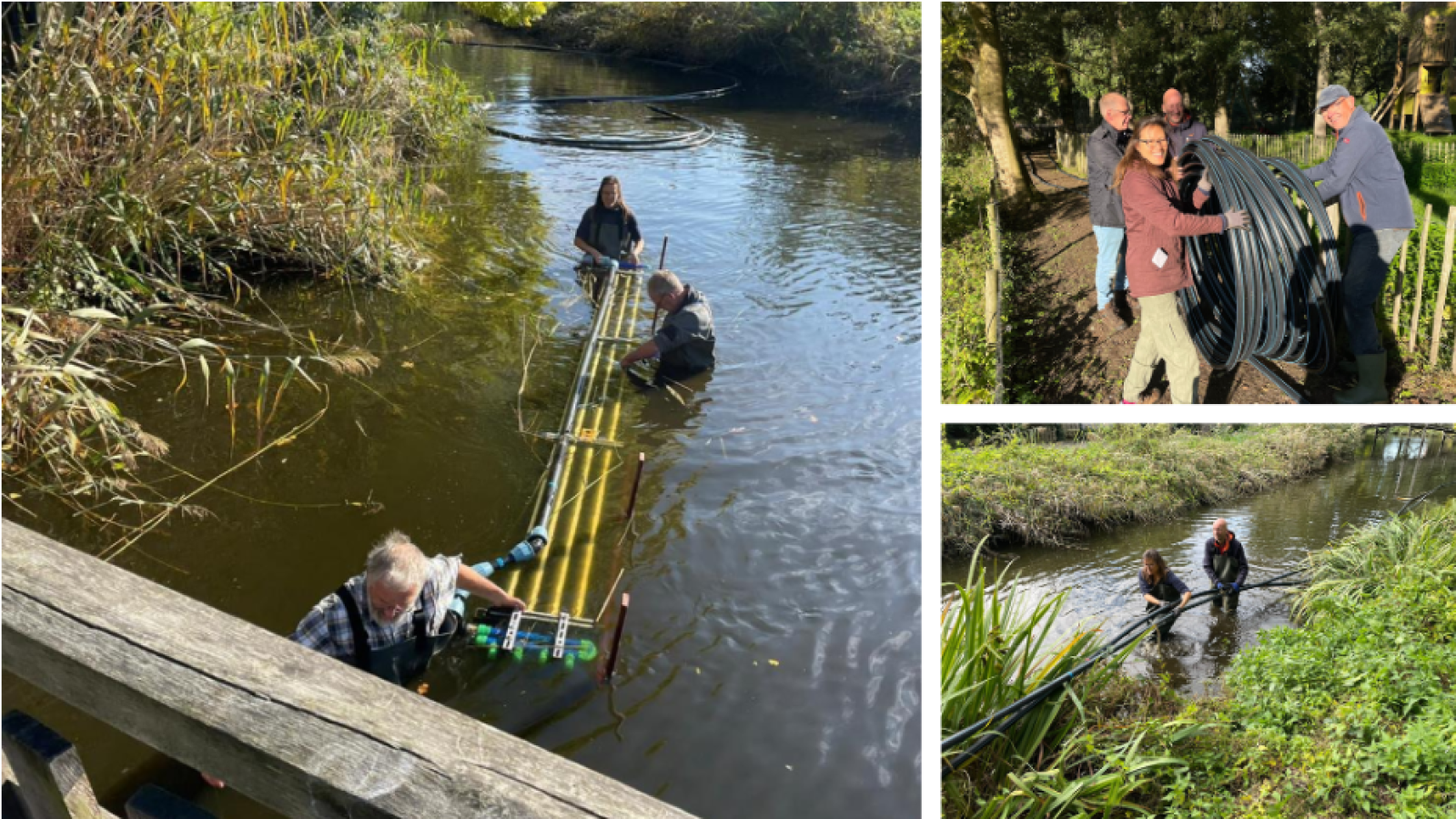
  • Warm Westerkwartier (Culemborg) is a resident-led cooperative investigating a heat network using heat from treated wastewater that flows past the neighbourhood. Founded in 2024, the cooperative works with professionals, the municipality, and a housing corporation, and is currently in the development and design phase.
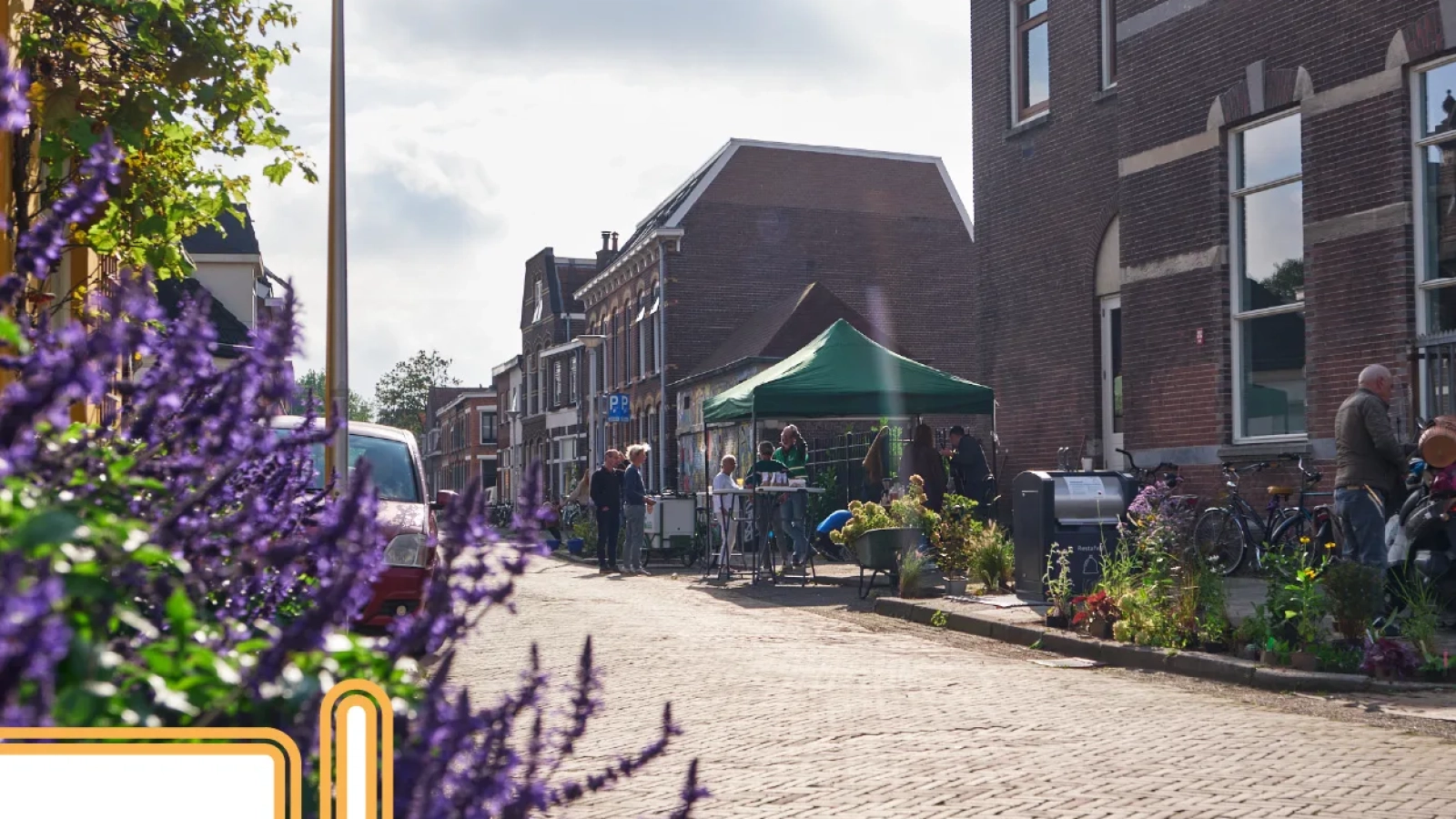
  • Warm Assendorp (Zwolle) emerged from a broader neighbourhood process on sustainability, involving themes such as water, green space, and mobility. Through participatory methods like deep democracy and sociocracy, residents developed a shared vision and energy plan, leading to the establishment of a cooperative heat network initiative that is now expanding step by step.

Why is engaging with citizens key to success?

Heating and cooling infrastructure directly affects people’s homes, comfort, and monthly costs. Without meaningful citizen engagement, DHC projects risk resistance, low participation, or loss of trust. Engaging citizens from an early stage improves the quality of decisions, ensures solutions fit local needs, and strengthens long-term commitment.

In cooperative models, residents are not just consumers but co-owners and decision-makers. This increases acceptance, social cohesion, and democratic legitimacy, and helps ensure that the energy transition is fair and inclusive.

Why did you choose to be part of MUSE DHC?

We joined this project because we believe that the energy transition in the built environment requires both technical solutions and strong social organisation. DHC networks are not just infrastructure projects; they are collective learning processes.

Through this project, we expect to exchange knowledge, learn from international experiences, and further professionalise resident-led heat initiatives. We can offer partners practical experience from real-life case studies, insights into cooperative governance and citizen engagement, and lessons learned from working at the intersection of residents, municipalities, and technical experts. Together, we aim to contribute to scalable, socially embedded DHC solutions across Europe.

Fostering community-led DHC systems for a fair transition_Brian Kelly_Unsplash

Fostering community-led DHC systems for a fair transition

With citizen engagement, policy support and technology partnerships, district heating could become a mainstream solution in Ireland by the 2030s 

The MUSE DHC’s partner Claremorris and Western District Energy Co operative (CWDEC) is a community-owned renewable energy initiative in County Mayo, Ireland, dedicated to reducing carbon emissions and empowering local people through sustainable projects.

John Prendergast, Chairman of CWDEC, tells us about how Ireland is striving to implement district heating and cooling networks to advance its green transition and how MUSE DHC can provide the country with the funds and expertise it needs.

Are DHC networks popular in Ireland?

District heating networks are not yet popular in Ireland, but they are moving from concept to reality. The Heat Bill 2024 and Climate Action Plan targets mark a turning point, creating a regulatory framework and national ambition. Sustainable Energy Authority of Ireland (SEAI)’s mapping shows strong potential, especially in urban centres, and pilot projects are expected to pave the way for broader adoption. 

Ireland is at an early stage of development, but with policy support and technology partnerships, district heating could become a mainstream solution by the 2030s

How can DHC networks help your country achieve climate neutrality?

Ireland has committed to climate neutrality by 2050. To achieve this, heating must be transformed. District heating networks are one of the few solutions that can deliver fast, large‑scale decarbonisation of the built environment, while also cutting costs and improving energy security. By combining technology innovation, policy support, and community engagement, DHC networks can move Ireland from being a late adopter to a leader in sustainable heating.   

What challenges do you face in developing a DHC network?

Building underground pipe networks and centralised heat plants requires large capital investment. Ireland has limited existing infrastructure, meaning most projects must start from scratch. Financing models are still under development, and small municipalities often lack resources. Unlike countries such as Denmark or Sweden, Ireland has very few operational DHC schemes.  Until recently, Ireland had no dedicated legislation for heat networks. The Heat (Networks and Miscellaneous Provisions) Bill 2024 is the first framework, but regulatory structures are still evolving.  Navigating planning permissions, consumer protection, and energy market rules adds complexity.

Residents worry about affordability and transparency. Without strong community engagement and fair ownership models, uptake may be slow. Ireland’s Climate Action Plan sets ambitious targets of 2.7 TWh/year of district heating by 2030, which is challenging given the current low baseline. 

Tell us about Claremorris, your MUSE DHC case study

In 2018–2019, the Claremorris and Western District Energy Co‑operative (founded by local residents) began developing plans for a 1km/1MWth district heating network in the town of Claremorris. The project was designed to be community‑owned, ensuring that local people benefit directly from lower heating costs and cleaner energy.  The Co‑op worked with Tipperary Energy Agency and Mayo County Council to carry out feasibility studies, community consultations, and commercial evaluations. 

The proposed system would use renewable energy sources to generate heat and cooling, distributed through insulated pipes to homes and businesses.  Early studies explored options such as a solar from the community 5MW solar farm with potentially a biomethane building on the Co‑op’s experience with renewable energy demonstrations. The design emphasises modularity, allowing the network to expand as demand grows. 

Why is engaging with citizens key to success?

Citizen engagement is not just a “nice to have” in Ireland’s district heating rollout—it is essential. It ensures trust, affordability, and community empowerment, prevents fossil fuel lock‑in, and accelerates infrastructure delivery. By involving citizens from the start, Ireland can build district heating systems that are fair, sustainable, and central to achieving climate neutrality.  District heating can be community‑owned or co‑managed, giving residents a stake in the system. This strengthens local support and ensures benefits (like lower bills and jobs) stay in the community.

Why did you choose to be part of MUSE DHC?

Joining this project will hopefully help to leapfrog its current early stage of development, gain access to funding and expertise, and ensure its networks are aligned with EU climate neutrality goals. This collaboration helps Ireland overcome barriers of cost, inexperience, and public acceptance, while positioning the country as a leader in community‑based sustainable heating.  Key benefits would include accelerating rollout by learning from mature systems, reducing costs through shared funding and proven designs, strengthening policy credibility by aligning with EU frameworks, empowers communities with tested engagement strategies and building resilience by integrating various renewable technologies.

Turning underused resources into sustainable economic assets_Maarten Brakkee_Unsplash

Turning underused resources into sustainable economic assets

DHC networks can help strengthen energy autonomy also in small and rural areas

The MUSE DHC’s partner Engreen strives to turn sustainability goals into real projects in Europe and beyond. It supports public and private actors from strategy to implementation-designing, building, and scaling solutions that make the green transition tangible and lasting.

Francesco Roncallo, Head of Business Development, tells us about the diffusion of DHC in Italy and about the setup of a new network in the northern Italian village of Coggiola.

Are DHC networks popular in Italy?

District heating and cooling networks are well established in Italy, especially in northern regions such as Piedmont, Lombardy and Trentino-Alto Adige. They currently cover about 2.3% of the national heating demand, with Piedmont ranking among the top regions for energy supplied to DHC networks. Most networks are powered by cogeneration plants and increasingly integrate biomass, waste heat, and renewable sources. However, DHC diffusion remains limited outside urban centers and industrial areas, leaving significant room for expansion in small and rural municipalities like our case study Coggiola (Province of Biella, Piedmont Region), which largely rely on wood/gas stoves.

How can DHC networks help your country achieve climate neutrality?

Efficient DHC networks are crucial for decarbonising the heating sector, which in Italy is largely based on natural gas. By coupling renewable and local heat sources (biomass, waste heat, geothermal, solar) with energy-efficient distribution, they enable collective solutions that reduce fossil fuel dependence, cut emissions, and improve air quality, while making the energy system more efficient and less expensive, supporting national and EU climate-neutrality targets.

In contexts such as Coggiola, these networks could also help establish local value chains based on sustainable biomass management, which could reduce hydrogeological risks affecting remote forestry areas in alpine valleys.

What challenges do you face in developing a DHC network?

Key barriers include high initial investment costs, complex permitting procedures, and limited incentives for medium-scale projects in small municipalities.

Technical challenges concern the integration of fragmented biomass supply chains, the aging of existing heating systems, and the need for skilled operators. Socially, promoting awareness and trust in cooperative or public ownership models is essential to ensure broad participation and long-term sustainability.

Tell us about Coggiola, your MUSE DHC case study

The Coggiola case study focuses on the creation of a biomass-fueled DHC network to serve public buildings, local businesses, and residential users. The initial phase foresees connections for the municipality, schools, health center, and around 150 households, with a potential expansion to 600 users through a 1-km main pipeline. The project aims to replace fossil-fuel boilers, reduce energy costs and emissions, and revitalise the local forest economy by using sustainable biomass from nearby woodlands. The initiative has already gained interest from neighboring municipalities and the local Mountain Union of Municipalities for replication.

Why is engaging with citizens key to success?

Citizen engagement ensures social acceptance, co-ownership, and long-term commitment to the network. In Coggiola, local residents, cooperatives, and SMEs will be directly involved through interviews, focus groups, and information campaigns. The upcoming Living Lab will formalise this collaboration, enabling participatory decision-making. This inclusive approach aligns with MUSE-DHC’s mission to build community-led, resilient energy systems.

Why did you choose to be part of MUSE DHC?

Engreen joined MUSE-DHC to build on its experience in establishing Renewable Energy Communities (RECs) in the nearby Valsesia valley and transfer that know-how to the thermal energy domain. Through the Coggiola case study, the team aims to integrate heating supply into the business model of RECs, demonstrating how collective and renewable heat can complement shared electricity generation.
A key objective is to create a local biomass value chain that turns what is now an underused resource—abundant forest residues—into a sustainable economic asset. By doing so, the project will also address critical challenges in alpine valleys, such as land abandonment, poor forestry management, and hydrogeological risk, fostering a circular local economy.

In a territory marked by deindustrialisation but rich in material and natural resources, Engreen seeks to design a viable and replicable business model that revitalises local production chains, strengthens energy autonomy, and supports community participation.

The long-term expectation is to demonstrate how small mountain municipalities can combine environmental stewardship, citizen engagement, and innovative models to achieve just and resilient energy transitions.