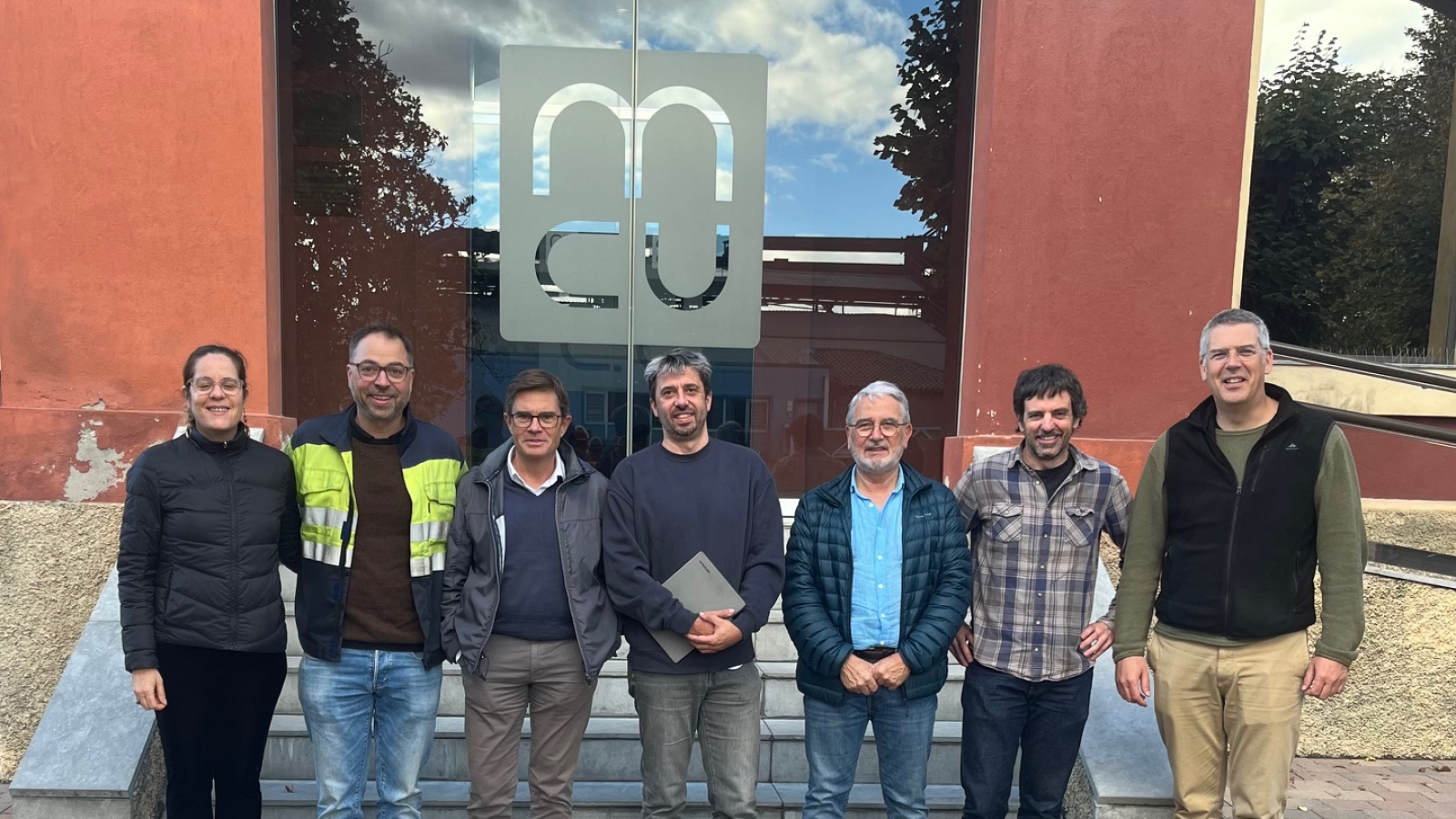
OECoop Team

Advancing Catalonia’s transition with district heating and cooling networks

How DHC systems can drive decarbonisation, improve urban resilience, and empower local communities

The MUSE DHC’s partner OECoop is an association of 51 associated local Renewable Energy Cooperatives (RECs) based in Catalonia. It supports them with specialised assistance in the development and management of energy projects to help them achieve the energy transition.

Roser Salvat Jofresa, project Manager at OECoop, tells us about the diffusion of DHC networks in Spain and especially in Catalonia.

Are DHC networks popular in Spain?

DHC networks remain relatively uncommon in Spain compared with countries such as Denmark, Germany, or Sweden. Nonetheless, interest is rising thanks to new incentive programmes and the growing need to decarbonise heating and cooling in urban areas.

Spain’s mild climate and tradition of individual heating and cooling systems have slowed DHC adoption. Existing networks are mostly small and concentrated in university campuses, new developments, or specific urban districts. Additionally, regulatory complexity, limited municipal experience, and the absence of a strong DHC planning culture hinder expansion. Despite that, EU funding, national climate commitments, and technological advances are creating favourable conditions for growth.

Catalonia currently hosts the largest concentration of DHC networks in Spain. Barcelona’s Districlima system in the Fòrum and 22@ districts is the most advanced example, supplying more than 100 buildings and planning to double its service area by 2032. The region is also emerging as a pioneer of geothermal-hybrid 5th-generation DHC networks, supported by the Catalan Energy Institute (ICAEN) and aligned with regional climate and energy strategies.
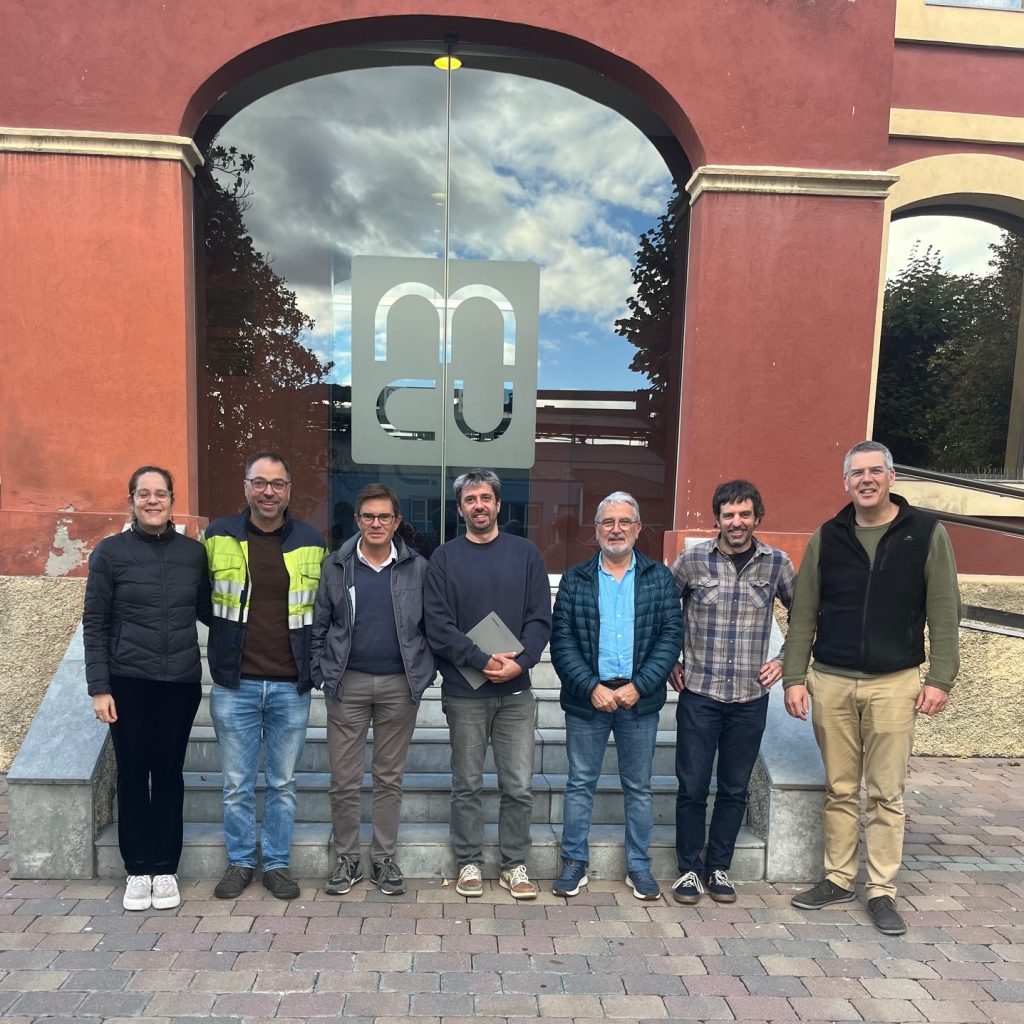
OECoop Team
The OECoop Team

How can DHC Networks support the local climate neutrality strategy?

With heating and cooling representing roughly a third of Catalonia’s total energy use, transforming these sectors is crucial to meeting the region’s target of reducing greenhouse gas emissions by 67% by 2035.

DHC networks contribute to climate neutrality by:

  • Improving efficiency: They are around 30% more efficient than individual systems.
  • Using local renewable sources: Biomass, geothermal energy, solar thermal, and waste heat significantly reduce reliance on fossil fuels.
  • Enhancing public health and resilience: By eliminating rooftop cooling towers, they reduce legionella risks and energy losses, while district cooling helps cities stay liveable during heatwaves.
  • Delivering measurable emissions reductions: Since 2020, Barcelona’s Districlima network has avoided more than 21,000 tonnes of CO₂, with savings expected to exceed 417,000 tonnes by 2032.

DHC networks also benefit from strong EU and regional funding streams, positioning them as a cornerstone of Catalonia’s broader decarbonisation strategies.

We face several challenges in developing DHC networks. Among them:

  • Economic and financial hurdlesHigh upfront infrastructure costs, long payback periods and perceived investment risks can slow deployment, especially where heating demand is relatively low.
  • Regulatory and planning limitationsFragmented governance, unclear permitting processes, and land-use constraints complicate project development and replication.
  • Technical challengesThe increasing dominance of cooling demand in coastal areas requires updated design approaches. Low-temperature 4th- and 5th-generation networks also require advanced control systems and specialised expertise.
  • Limited public awarenessMany citizens remain unfamiliar with the benefits of DHC, yet community involvement is essential for successful network uptake.
  • Climate-adaptation constraintsWater scarcity, drought conditions, and competing land-use needs must be carefully integrated into system planning.

Tell us about the case studies you work on within the MUSE project

We work on two case studies: Torello and Les Masies de Voltregà.

Torelló, a town of 15,000 residents in northern Osona (Barcelona), is developing a 4 km DHC network powered entirely by geothermal energy and heat pumps. The municipality and the local energy community Pescaenergia SCCL lead the project, which will serve around 700 users with a 3 MW capacity and 8,400 MWh of annual output. Aligned with the regional Nova Energia Osona (NEO) strategy, the project will function as a replicable pilot, fostering community participation and addressing socio-economic and technical barriers through an adapted business model.

Les Masies de Voltregà is a rural municipality of 3,400 residents and dispersed population centres. Individual heating systems and domestic biomass remain common, but the municipality is actively engaging in regional energy-transition programmes. The region is exploring opportunities to recover waste heat from industrial processes, which remain underused despite significant potential. District Heating coverage in Osona is still limited but growing through targeted biomass networks, hybrid renewable systems, and community energy initiatives. This case study aims to demonstrate how industrial waste heat can meaningfully contribute to local decarbonisation when supported by strong municipal and community leadership.

Why is engaging citizens key?

Citizen engagement is fundamental to the success of DHC networks. These systems require the participation of residents, businesses, and local stakeholders throughout their development and operation.

Engaging the public ensures networks meet real community needs, builds trust, encourages co-design and collaborative governance, increases transparency and long-term local ownership, in addition to supporting policy alignment with community priorities.

Strong public involvement also enables innovative governance and financing models, helping secure the long-term viability of district energy systems.

Why have you chosen to be part of MUSE DHC?

MUSE DHC enables us to contribute directly to Catalonia’s low-carbon transition by supporting the deployment of efficient, renewable-based district energy solutions. The project strengthens collaboration among municipalities, research centres, industry partners, and citizens, while fostering knowledge exchange and showcasing replicable best practices.

Participation in MUSE DHC also opens opportunities for long-term cooperation, follow-up initiatives, and access to expert resources and potential co-investment mechanisms.
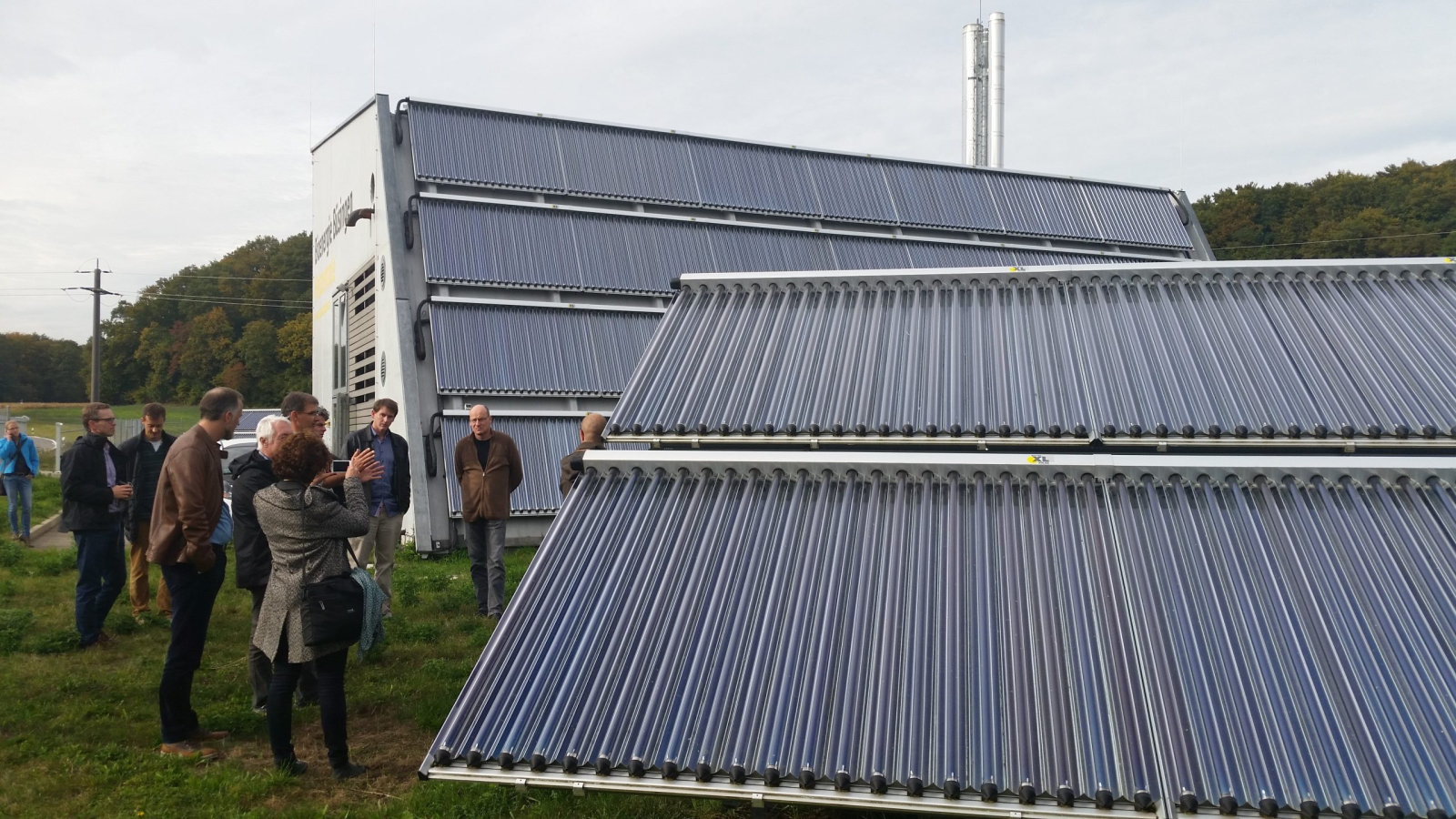
Involving Communities to Foster DHC Development_Sigmund_Unsplash

Involving communities to foster DHC development

MUSE DHC partner Bois Énergie Renouvelable highlights the importance of dialogue in supporting the expansion of DHC networks in France, thereby contributing to the green transition.

Bois Énergie Renouvelable (SPL BER) is a French local public company established in 2018 to serve the areas of Ville de Lorient, Lorient Agglomération and Quimperlé Communauté. Its mission is to decarbonise local energy consumption by structuring the wood-energy sector, developing district heating (DHC) networks, boosting renewable heat production, and supporting municipalities in their renewable energy projects.

As one of the partners of MUSE DHC, we spoke with Lucie Fauvin, Heating and European Project Manager at SPL BER, to learn more about the culture of DHC in France and their role in the project.

Are DHC networks popular in France?

In general, DHC networks in France are expanding rapidly and have become pivotal, particularly in larger cities. Many of these cities have extensive networks serving a high number of end-users, operating at very high temperatures (up to 80°C), and in some cases even delivering cooling only.

Medium-sized cities with fewer than 100,000 inhabitants tend to develop DHC systems alongside new buildings or district retrofits. Residents of smaller towns and rural areas may also be interested, but it can be difficult to find the right financial balance when creating a DHC network, especially given the social and infrastructural constraints.

Why are DHC networks necessary, and how can they help your country achieve climate neutrality?

DHC networks are essential in France as they help achieve environmental goals more efficiently than individual systems. Historically, France relied on numerous individual heating systems, but in terms of transition, resilience, and resource sharing, district heating networks are a more suitable solution. Their impact is significantly greater than that of individual systems.

What challenges do you face in developing a DHC network?

One of the main challenges is maintaining or achieving a heat price that remains lower than current gas prices for future end-users.

Another challenge relates to social acceptance. For example, while developing the woodchip-fuelled DHC network in Ploemeur (Morbihan area), we encountered public concern about air pollution and emissions. Some residents also feared that we might damage the forestry sector to produce heat. Since dialogue is key, we held several discussions with stakeholders to reassure them, sharing data on wood origins and circularity. Once people felt reassured, we were able to move forward with the project. The system is currently under construction.

What project are you developing under MUSE DHC?

We are working on two case studies. One will be selected soon, while the other focuses on the crematorium in Lorient. Currently powered by gas, it is one of the few crematoriums in the Lorient Agglomération area (210,000 inhabitants over 740 km²) and operates six days a week throughout the year.

Our plan is to carry out a detailed feasibility study to confirm the potential for waste-heat recovery. We will also work on the design phases and then prepare a realistic investment plan and business model for our shareholder, the City of Lorient.

Why is engaging with citizens key to success?

Social acceptance is crucial to the success of any project, particularly when addressing sensitive issues such as cremation facilities. It is therefore important to involve citizens in the discussion process.

If stakeholders do not understand a project – its challenges or its technology – they may oppose it, and misinformation can spread easily. Raising awareness is therefore key. Once people understand the potential of DHC, they are generally happy to support and benefit from it.

Why did you join the project, and what are your expectations?

By joining the project, we aim to strengthen our understanding of how to integrate risk management into DHC projects involving waste-heat recovery. Industrial activities often face uncertainties—will they still exist in 2, 5 or 10 years? Given that a DHC system operates for at least 30 years, it is essential to analyse these risks into the investment plan from the outset, in order to offer end-users a realistic, long-term heat price.

As operators of more than eight DHC networks, we can offer support on operational, financial and administrative aspects. With a team covering the full DHC project cycle – from feasibility studies to financing and heat distribution – we provide expertise in technical design, contracting, business modelling, and municipal engagement.

We are delighted to share our experience with the consortium, to learn from our partners, and to strengthen our role as a trusted partner for end-users, funders, municipalities, and technical experts alike.

Why cities need citizen-driven district heating and cooling networks

Why cities need citizen-driven district heating and cooling networks

What is district heating and cooling? How is it related to the achievement of climate neutrality? And how can ordinary people play a role in all this?


The EU-funded project MUSE DHC strives to meet a need linked to people’s well-being, as well as to the energy transition.


We interview Riccardo Battisti, Senior Project Manager at Ambiente Italia and coordinator of MUSE DHC.

Why did you propose MUSE DHC to the Commission?

A fair and just energy transition should put consumers at the heart of the process. This is true not only for electricity but also for heating and cooling, where community-led district heating and cooling (DHC) networks can drive the decarbonisation of the sector.


Projects such as MUSE DHC can empower citizens, helping them make informed choices while, at the same time, bringing the transition one step closer to reality.

Why do cities need DHC networks? What’s your experience?

District heating and cooling is a very efficient way to produce and distribute heat and cold. Citizens connected to such networks can use energy without the need for radiators or boilers in their homes. Moreover, no maintenance is required.


From the perspective of decarbonisation targets, DHC networks allow the integration of large shares of renewable energy sources, thus making climate neutrality more achievable.
Finally, DHC powered by renewables helps reduce energy bills.


Riccardo Battisti, Senior Project Manager of Ambiente Italia and coordinator of MUSE DHC

How can the project help citizens become key actors of the green transition?

Citizens will be involved from the very beginning in MUSE DHC activities, especially through 9 local working groups (Living Labs). These will support the development and future implementation of investment plans for new, efficient DHC networks in five EU countries: France, Ireland, Italy, the Netherlands, and Spain.


MUSE DHC will listen to citizens’ needs and provide them with governance models that ensure their active participation in local DHC projects.

What will MUSE DHC do?

Many things! At its core, the project focuses on developing 9 investment plans for new, efficient, community-led DHC networks in five EU countries, also including governance models that guarantee active bottom-up participation.


We will also set up a Working Table to transfer know-how and upskill other cooperatives and energy communities across Europe in the construction, governance, cooperation, and maintenance of new efficient DHC systems. Additionally, we will prepare a Blueprint for Action, a practical handbook for all actors interested in such projects.
Local and regional authorities will also be involved, through a Community of Practice that transfers know-how, builds capacities, and promotes discussion.


At the policy level, the Strategic Guidelines will provide recommendations for the uptake of effective local strategies fostering efficient community-led DHC, while a Position Paper will offer tailored input for the revision and upgrade of national strategies.


Finally, beyond our project case studies, 9 additional “follower” DHC cases will receive practical support in setting up efficient community-led projects based on the MUSE DHC approach.

What’s the added value of MUSE DHC?

Without a doubt: the citizen-led approach. In our project, final users are the key actors in the development of new community DHC initiatives. They can become owners of the infrastructure through a cooperative company, act as investors through innovative financial models such as crowdfunding, and have a say in project development and operation.

What are your expectations?

Citizen-led projects, characterised by a clear bottom-up approach, are too often met with a fair degree of scepticism.
What I would like to see at the end of the project is a collection of practical experiences that demonstrate that citizen-led efficient DHC is not only possible but also economically feasible, while bringing a variety of benefits to the territories involved.

Curious to learn more or interested in being involved? Contact us!